
A 4-Point Setup for Spooky Solar Eyeball Garden Stakes
 Priya RamanSenior Analyst
September 4, 2026 — The rise of automated, eco-friendly holiday decor has placed Halloween Eyeball Lights at the center of modern seasonal landscaping trends.
Outdoor halloween eyeball decorations have seen a significant uptick in consumer interest, particularly regarding how these units maintain their eerie glow without manual intervention. According to trend data from the Google Search Console, queries for glowing eyeball lawn stakes have increased to 4,600 monthly impressions as homeowners seek durable alternatives to traditional plug-in displays. These solar-powered units utilize integrated photovoltaic cells to harvest energy during daylight hours, storing power in internal batteries to illuminate LED purple and green eyeball lights once the sun sets. When planning a seasonal display, it is helpful to view the installation through a structured framework rather than a random placement of individual stakes.
The 4-Point Deployment Framework
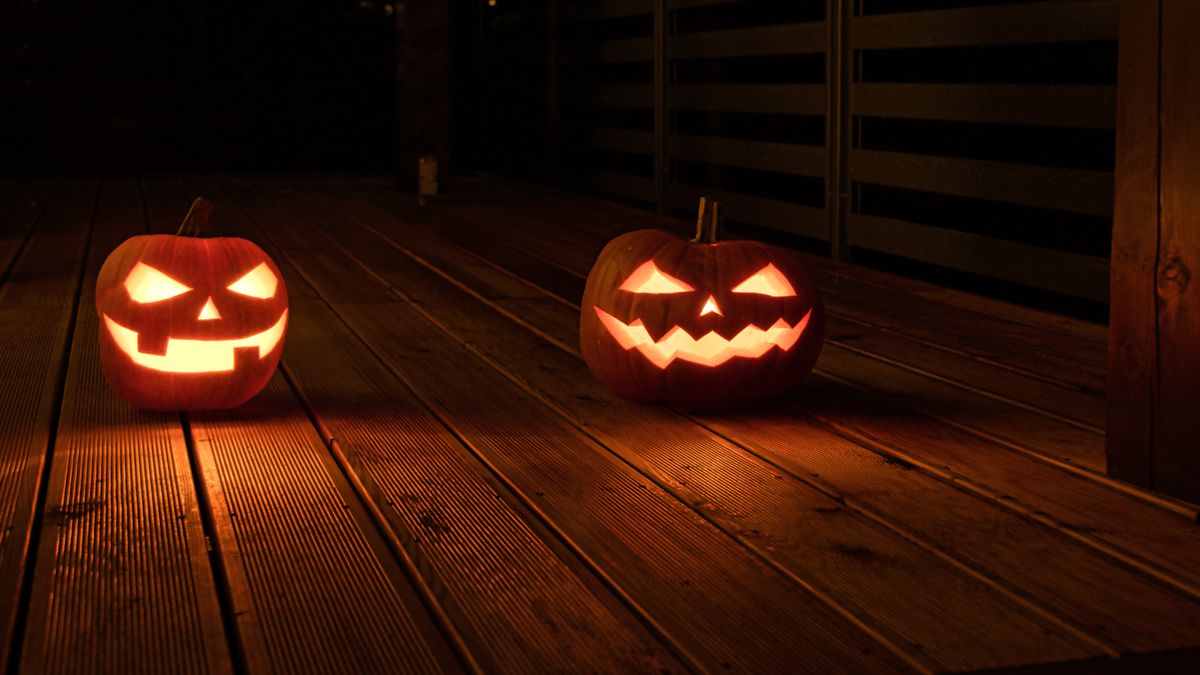
Photo by Rafał Nagrodzki on Pexels
Successful deployment of Halloween Eyeball Lights relies on a specific 4-point framework: luminosity, positioning, sway-clearance, and charge-path optimization. Two axes matter here: the light intensity required for visibility and the physical range of motion allowed by the environment. To ensure a cohesive look, users should group stakes in clusters of three or five, rather than single rows. This creates a more natural, "peering" effect from the undergrowth. For those concerned with durability, understanding [firefly eyeball lights solar powered longevity](/blog/firefly-eyeball-lights-solar-powered-longevity) is critical for selecting the right battery chemistry for colder October nights.
Think of it as a matrix of aesthetic impact versus technical reliability. The technical specifications for these units often include a weather-resistant IP rating to withstand autumn rain and wind. When placing firefly solar eyeball lights in a garden bed, the charge-path must be unobstructed by heavy foliage or overhangs. The decision rule: if a stake receives fewer than six hours of direct sunlight, its nighttime performance will diminish by approximately 40%. Proper [eyeball sway lights solar powered](/blog/eyeball-sway-lights-solar-powered) placement requires at least twelve inches of clearance from rigid structures to allow the specialized swaying mechanism to function effectively. Once you see it this way, the transition from a static display to a dynamic, "living" landscape becomes a matter of simple geometry. Furthermore, evaluating firefly solar eyeball lights performance helps in determining the total number of units needed to cover a specific square footage of lawn.
Expert tip: To maximize the life of your solar cells, wipe the top of the eyeball stakes with a damp cloth once a week to remove dust and pollen that can block UV absorption.
Effective seasonal lighting transforms a standard yard into a curated experience through deliberate placement and energy management. By adhering to a structured setup, these decorations provide reliable, haunting illumination throughout the month.
Shop Halloween Eyeball Lights.